|
Cultural History
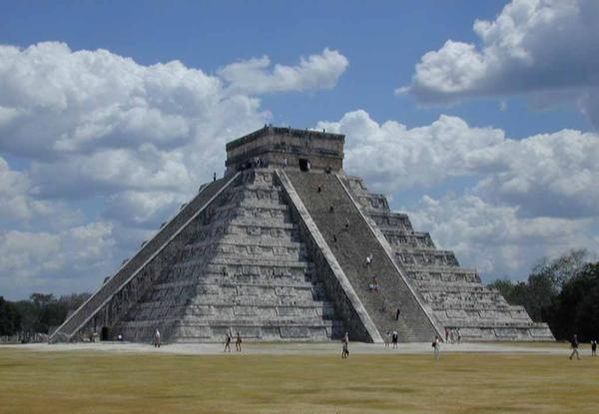
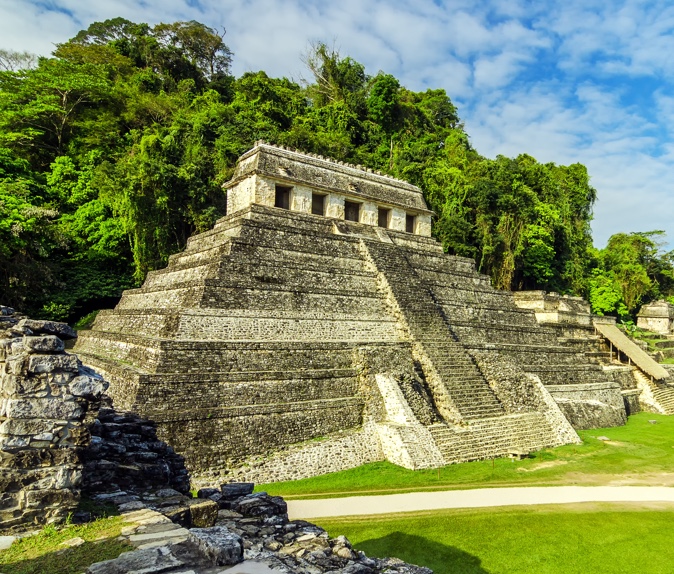
During their Classic Period, the Mayan people developed a civilization that rivaled Europe in mathematical, scientific, and cultural achievements. Mayan religion was heavily influenced by eschatology and the concept of time, and Mayan people used advanced techniques of astronomy that observed solar, lunar, and religious occurrences to develop a calendar that was advanced far beyond its analogous European counterpart. A hieroglyphic writing system was also devised during the Classic Period, in addition to advanced mathematical formulas and concepts.
Mayan urban centers during the period were used primarily as religious and ceremonial sites to support the rural community surrounding them. Architecture was typified by the use of limestone to create pyramids and temples. Art was important in the depiction of religious narratives, and advanced art techniques were used to adorn these religious sites with frescoes, murals, and sculptures. Religious figures were deeply important within the culture, and religion was an integral aspect of life for the Mayans. Many women would make a pilgrimage to Cozumel, for example, as it was the home of the goddess of fertility and childbirth. |
|
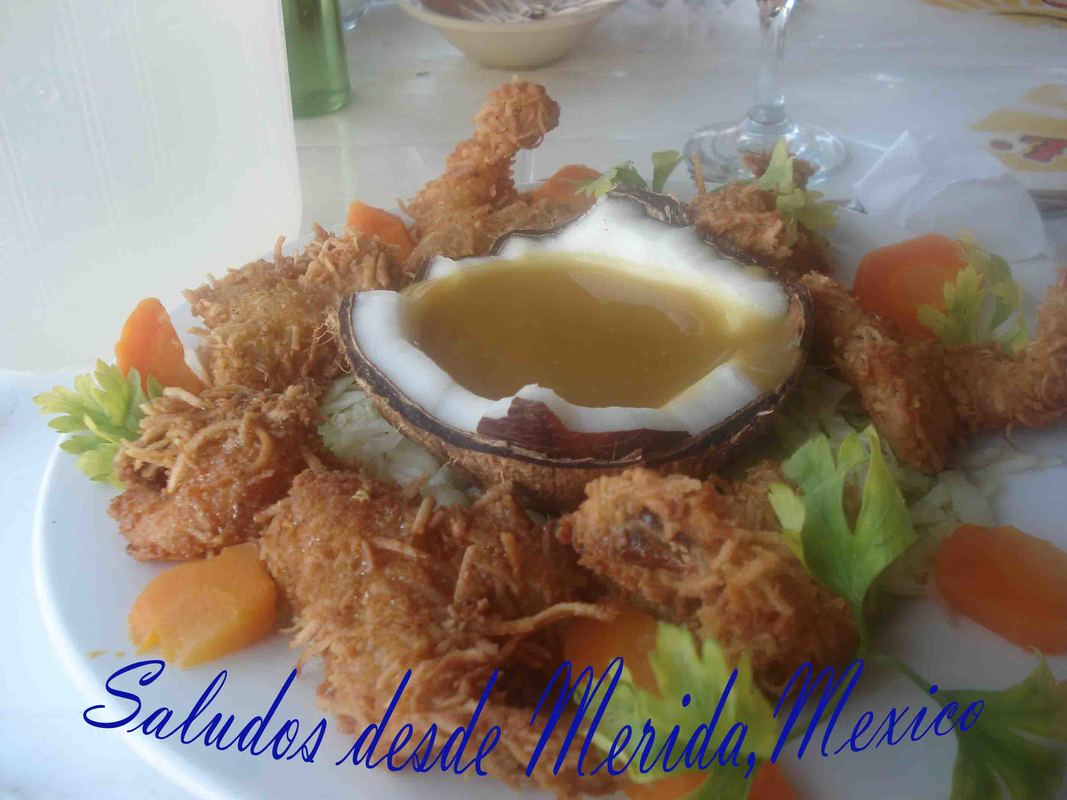
Food & DiningBefore colonial invasion in the 16th century, the cuisine of the Yucatan peninsula was dominated entirely by traditional Mayan food. Many ingredients that play an important role in Yucatecan cuisine today, were not present. Most noticeably, pork, lard, and the Seville orange. But locally available produce in pre-colonial times still forms the bedrock for Yucatan food. Tomatoes, turkey, chilis, corn, pumpkins. After Spanish colonization of the region, many other international influences (and foods!) have helped shape Yucatan food. Especially French, Dutch, Lebanese, Cuban and even the British (who were a colonial power in the neighbouring Mayan land now known as Belize). Original Mayan food, like many world cuisines, has been transformed over the years and has become a fusion. With the oldest Mayan cookbooks dating back only to the 19th century, original recipes are almost impossible to discern – though we can guess based on what ingredients were available, as to which dishes might still be made in a style similar to their pre-colonial days. IYucatan cuisine is famous for its variety of flavors, colors and smells. The incredible ingredients, used in the making of each dish, provide an exciting array of flavors to satisfy the cravings of the most discerning diner. Ranging from simple to complex, there are many options to choose from when sampling the regional food of Yucatan. Depending on the area of the state you're visiting there will be differences in the dining choices available, because every area has had unique culinary influences from other cultures and countries integrated into their cuisine. Panuchos, Papadzules, Pescado Tikinxic, sopa de lima, frijol con puerco, Cochinita Pibil, Salbutes, Tamales Colados, Potaje de Lentejas and Puchero de Tres Carnes; these are just some of the more traditional options you can find on a menu when visiting Yucatan, but there's also a whole lot more to be experienced! There are plenty of delicious desserts to try, as well as regional soft drinks and even local liquors. "Tortas de cielo" (heavenly cakes), "caballeros pobres" (poor gentlemen), "margaritas de almendra" (almond daisies), are just some of the funny names for the exquisite desserts on offer. "Horchata" is a delicious drink made from rice, while the famous Xtabentun, the sacred drink of the ancient Mayas, is an excellent aperitif. Dining in either Merida or Chichen Itza is the perfect way to start your culinary tour of Yucatan, an experience you won't forget. |
R E C O M M E N D A T I O N S
Destinations
Coastal
|
Colonial sites
|
Mayan Trail
|